← All Insights
Standards & Compliance

LOKRON vs Domestic Stud Bolt Suppliers: Technical Capability & Certification Comparison

2026-05-30·8 min read

Introduction: Why Technical Comparison Matters When Selecting a Supplier

In the oil & gas, petrochemical, and power generation industries, the reliability of bolted connections is non-negotiable. A single fastener failure can lead to catastrophic leaks, downtime, and safety hazards. Procurement engineers and project managers must evaluate suppliers not only on price and lead time but also on technical capabilities, certifications, and quality management systems. This article provides a detailed comparison between LOKRON (Suzhou Fulida) and typical domestic stud bolt suppliers, highlighting key differences in certifications, standards coverage, material traceability, and quality control.

LOKRON's Technical Advantages: PED, NACE MR0175, API 20E/20F

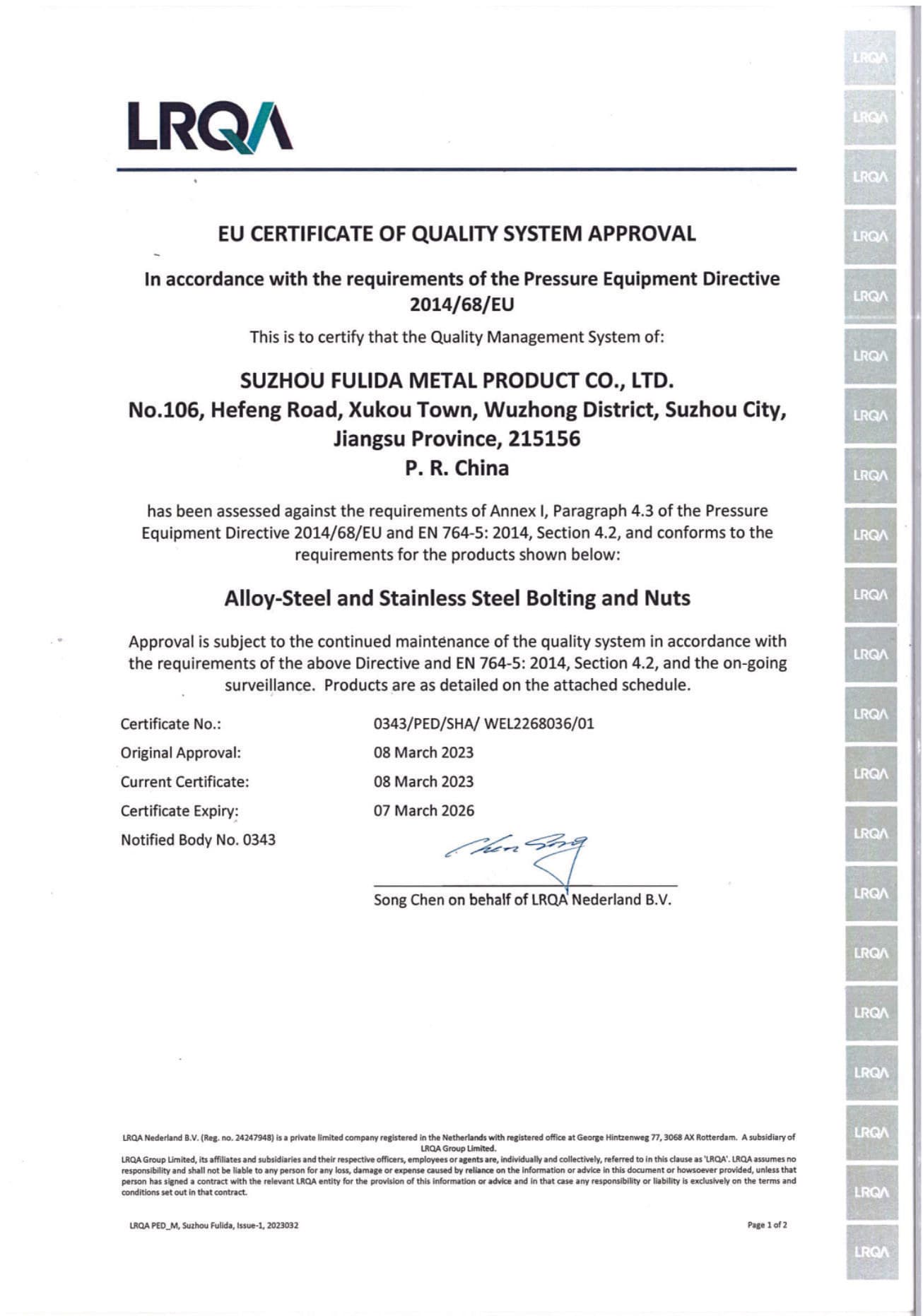
PED 2014/68/EU Certification

LOKRON holds full PED 2014/68/EU certification with Category IV (C&P Inspection) for pressure equipment fasteners. This means every stud bolt and nut supplied for pressure-containing applications is manufactured under a strict quality system that includes design review, material traceability, and third-party inspection. PED compliance is mandatory for fasteners used in European pressure equipment and is increasingly required by international EPC contractors.

NACE MR0175/ISO 15156 Compliance

For sour service environments (H₂S present), LOKRON offers fasteners compliant with NACE MR0175/ISO 15156. This includes hardness control, material chemistry limits, and heat treatment verification. LOKRON provides documented evidence of compliance, including mill test reports and hardness test certificates.

API 20E and API 20F

LOKRON is certified to API 20E (Alloy and Carbon Steel Stud Bolts) and API 20F (Corrosion-Resistant Stud Bolts). These specifications require rigorous quality assurance, including material traceability, dimensional inspection, and performance testing. API certification is often a prerequisite for upstream oil and gas projects.

Common Gaps in Domestic Suppliers

Many domestic stud bolt suppliers lack comprehensive certifications and robust material traceability systems. Common issues include:

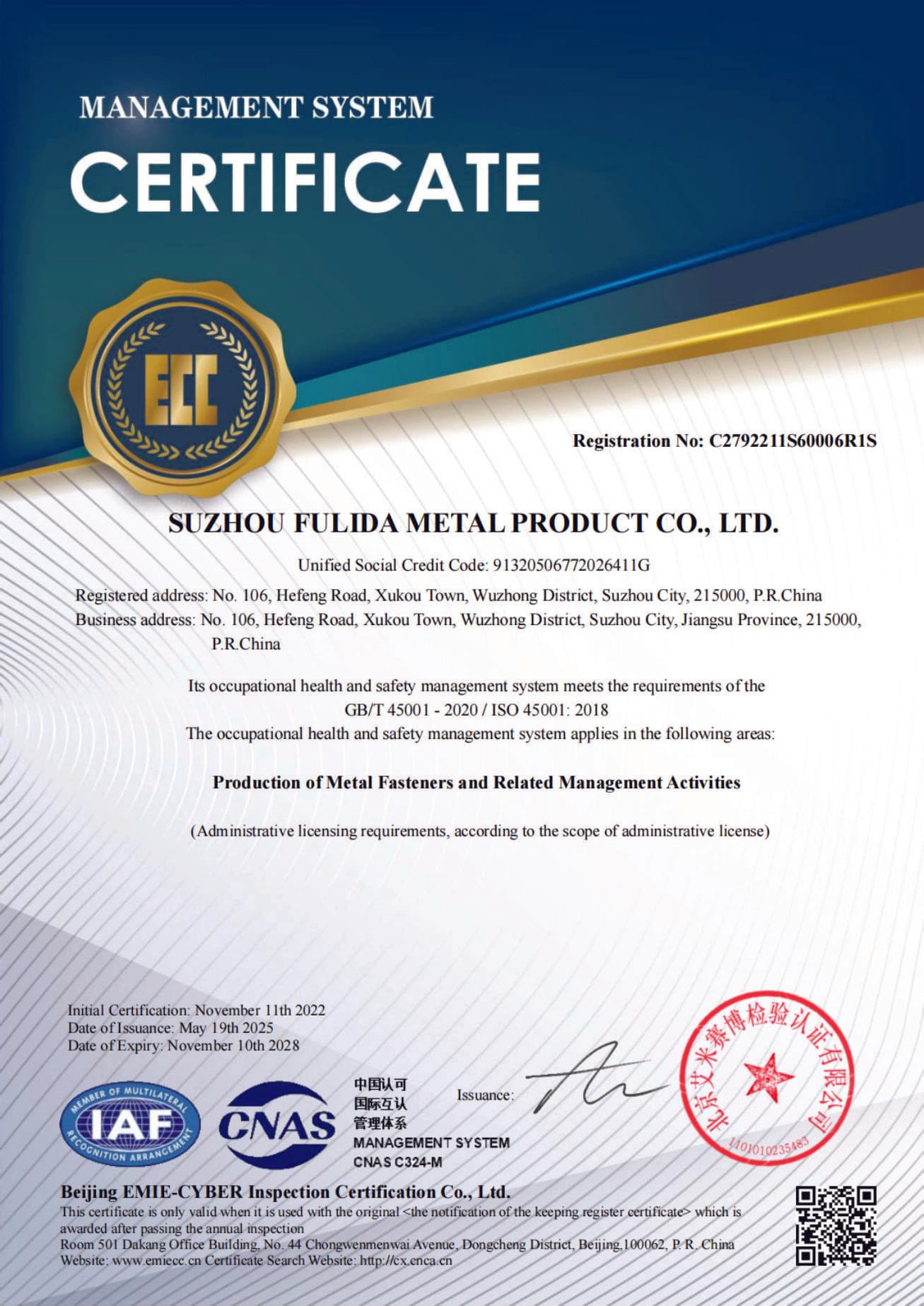
  • Incomplete Certification: Many suppliers only have ISO 9001 and basic product test reports. They lack PED, API, or NACE certifications, limiting their eligibility for international projects.
  • Poor Material Traceability: Without a documented chain from mill to finished product, it is impossible to verify that the material meets specified grades (e.g., ASTM A193 B7, B8M). Some suppliers may substitute materials without customer knowledge.
  • Inconsistent Quality Control: In-house testing may be limited to dimensional checks and hardness, without mechanical testing (tensile, yield, impact) or PMI (Positive Material Identification) verification.
  • Limited Standards Coverage: Many domestic suppliers only produce to Chinese GB standards or basic ASTM grades, lacking capability for specialized materials like B16, L7, or 2HM.

Comparison Table: Certification, Standards, Quality Control, Delivery

CriteriaLOKRONTypical Domestic Supplier
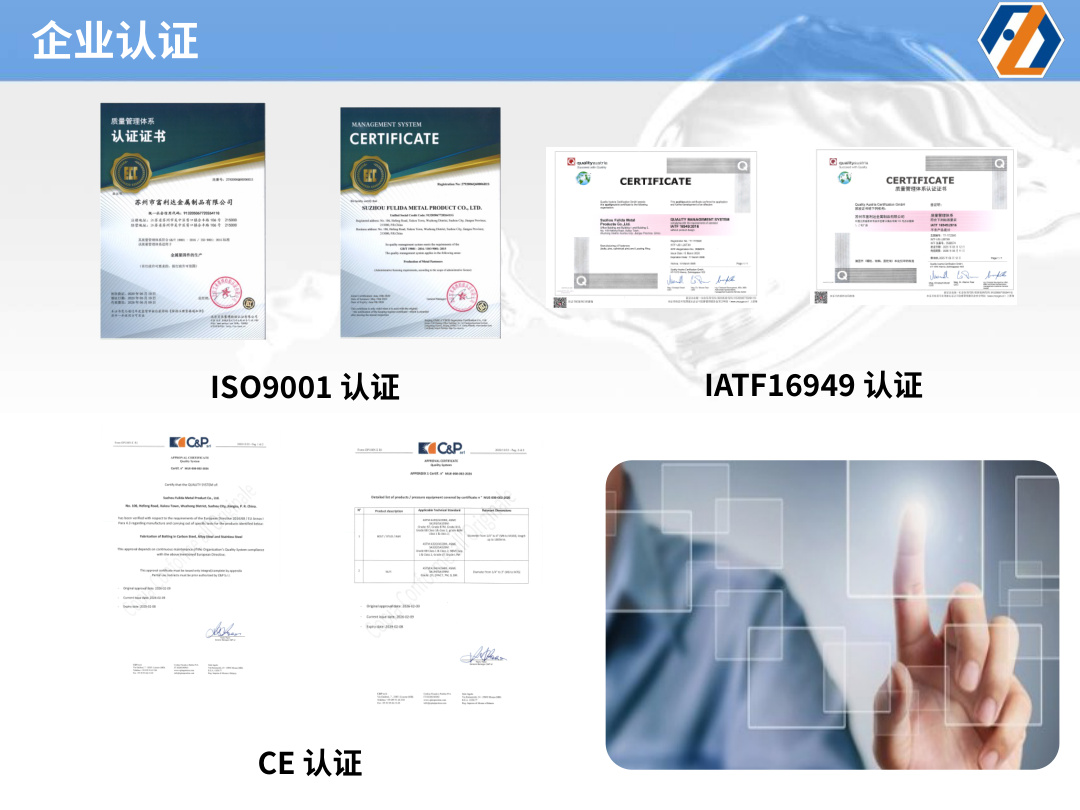
CertificationsPED 2014/68/EU (Cat IV), ISO 9001, IATF 16949, API 20E, API 20F, NACE MR0175ISO 9001 (some), limited or no PED/API/NACE
Standards CoveredASTM A193 (B7, B8, B8M, B16), A320 (L7, L7M), A194 (2H, 8, 8M, 2HM), DIN, EN, ISO, ASME B16.5, ASME VIIIMainly GB/T, some ASTM A193 B7, limited range
Material TraceabilityFull traceability from mill to finished product, EN 10204 3.1 certificatesOften limited to basic mill certificates, no chain of custody
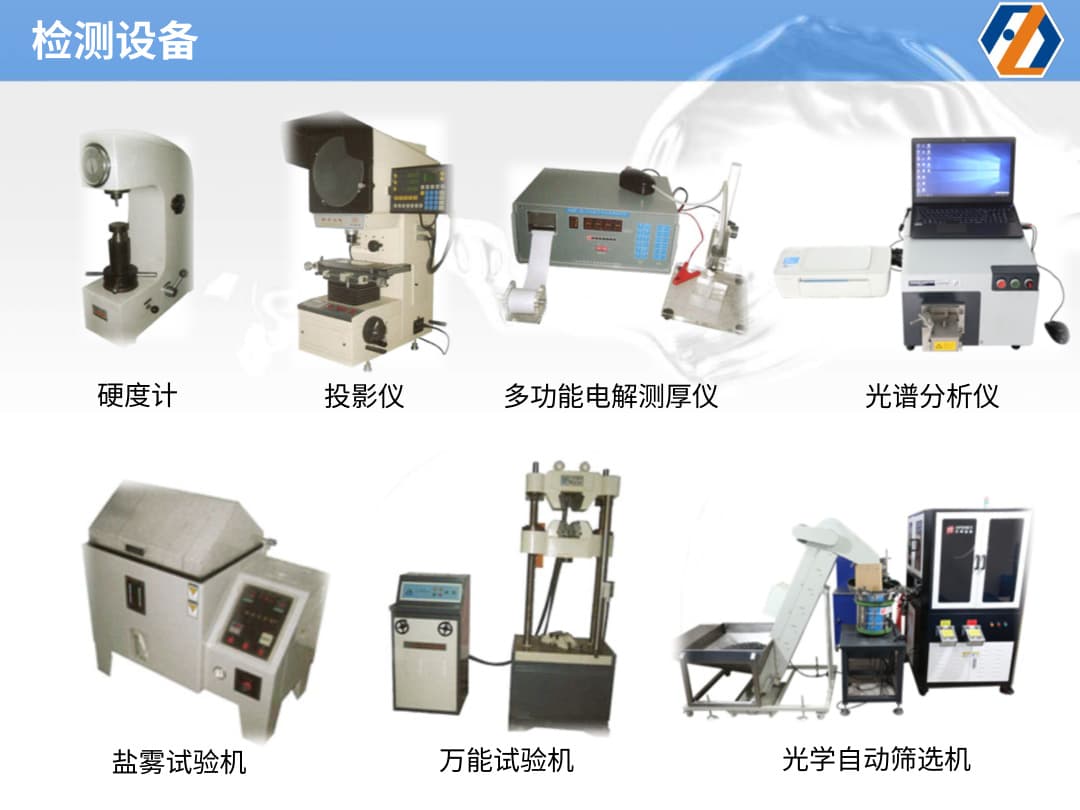
Quality ControlIn-house tensile, hardness, PMI, dimensional, NDT (UT, MT, PT) as required; third-party inspection availableBasic dimensional and hardness; limited mechanical testing; no NDT capability
Delivery CapabilityGlobal logistics, export packaging, competitive lead times for standard and custom ordersDomestic focus, longer lead times for non-standard items
Technical SupportEngineering assistance for material selection, coating, and specification complianceLimited technical support; often sales-driven

How to Choose the Right Supplier Based on Project Requirements

Selecting a stud bolt supplier should be based on the specific demands of your project:

  • For Pressure Equipment (PED): Choose a supplier with PED Category IV certification, like LOKRON, to ensure compliance with European directives and avoid costly rework.
  • For Sour Service (NACE): Verify NACE MR0175 compliance with documented hardness and material controls. LOKRON provides full documentation.
  • For API Projects: API 20E/20F certified suppliers are mandatory for many oil and gas operators. LOKRON holds these certifications.
  • For High-Strength or Special Materials: Ensure the supplier can produce and test materials like B16, L7, or B8M Class 2. LOKRON has extensive experience.
  • For Traceability Requirements: If your project requires full material traceability and EN 10204 3.1 certificates, choose a supplier with a robust quality system like LOKRON.

FAQ

1. What is the difference between PED Category IV and lower categories?

PED Category IV applies to the highest risk pressure equipment. It requires design review, production monitoring, and final inspection by a notified body. LOKRON's Category IV certification ensures the highest level of safety and compliance.

2. Does LOKRON provide EN 10204 3.1 certificates?

Yes, LOKRON provides EN 10204 Type 3.1 inspection certificates for all PED-compliant fasteners, which include material traceability, mechanical properties, and dimensional results.

3. Can LOKRON supply fasteners for low-temperature service (ASTM A320 L7)?

Yes, LOKRON manufactures ASTM A320 Grade L7 and L7M stud bolts with certified impact testing at -101°C (-150°F) as required.

4. What is the typical lead time for custom stud bolts?

Lead times vary based on material, size, and quantity. Standard sizes in common materials (B7, 2H) can ship within 2-3 weeks. Custom orders typically require 4-6 weeks.

5. How does LOKRON ensure material traceability?

Each heat of material is assigned a unique heat number. From receipt of raw material to final dispatch, all processing steps are documented. Finished products are marked with heat numbers and lot numbers, allowing full traceability to mill test reports.

Summary

Choosing the right stud bolt supplier is critical for project success. LOKRON's comprehensive certifications (PED, NACE, API), full material traceability, and rigorous quality control set it apart from typical domestic suppliers. For projects requiring compliance with international standards and high reliability, LOKRON is the preferred partner.

LOKRONstud boltPED certificationNACE MR0175API 20Edomestic suppliertechnical comparisonmaterial traceabilityASTM A193EN 10204 3.1

Need this grade or specification?

LOKRON supplies PED-certified stud bolts and heavy hex nuts with full documentation.

Request a Quote